Night Sweats: Causes, Symptoms, and How to Stop Them (Clinically Explained)
By Editorial Team

Quick Answer
Night sweats are episodes of excessive sweating during sleep that go beyond normal temperature regulation—often soaking clothing or bedding. While they can result from benign causes like a warm sleep environment or diet, persistent night sweats may signal hormonal imbalance, infection, metabolic dysfunction, medication effects, or, in rare cases, serious disease. Identifying the underlying cause is essential for effective treatment.
What Are Night Sweats?
Clinically, night sweats are referred to as sleep hyperhidrosis—episodes of significant sweating during sleep that are not solely due to external heat. Unlike normal perspiration, night sweats are typically intense, recurrent, and disruptive, often waking individuals from sleep.
From a physiological standpoint, sweating is controlled by the hypothalamus, the brain’s thermoregulatory center. It integrates signals related to body temperature, hormones, circadian rhythm, and autonomic nervous system activity. At night, when external distractions are minimal and body temperature naturally drops, dysregulation in any of these systems becomes more noticeable.
What Causes Night Sweats?
Night sweats are not a single condition—they are a symptom with multiple potential causes. For clarity and clinical relevance, these causes can be grouped into key categories.
1. Environmental and Lifestyle Factors (Most Common)
These are the most frequent—and often overlooked—triggers:
- Overly warm bedrooms or heavy bedding
- Poor airflow or humidity
- Alcohol consumption (vasodilation and rebound effects)
- Spicy foods (capsaicin-induced thermogenesis)
- Late-night exercise
- Elevated stress levels before bed
These factors primarily affect peripheral thermoregulation, not underlying pathology, and should always be ruled out first.
2. Hormonal Imbalances
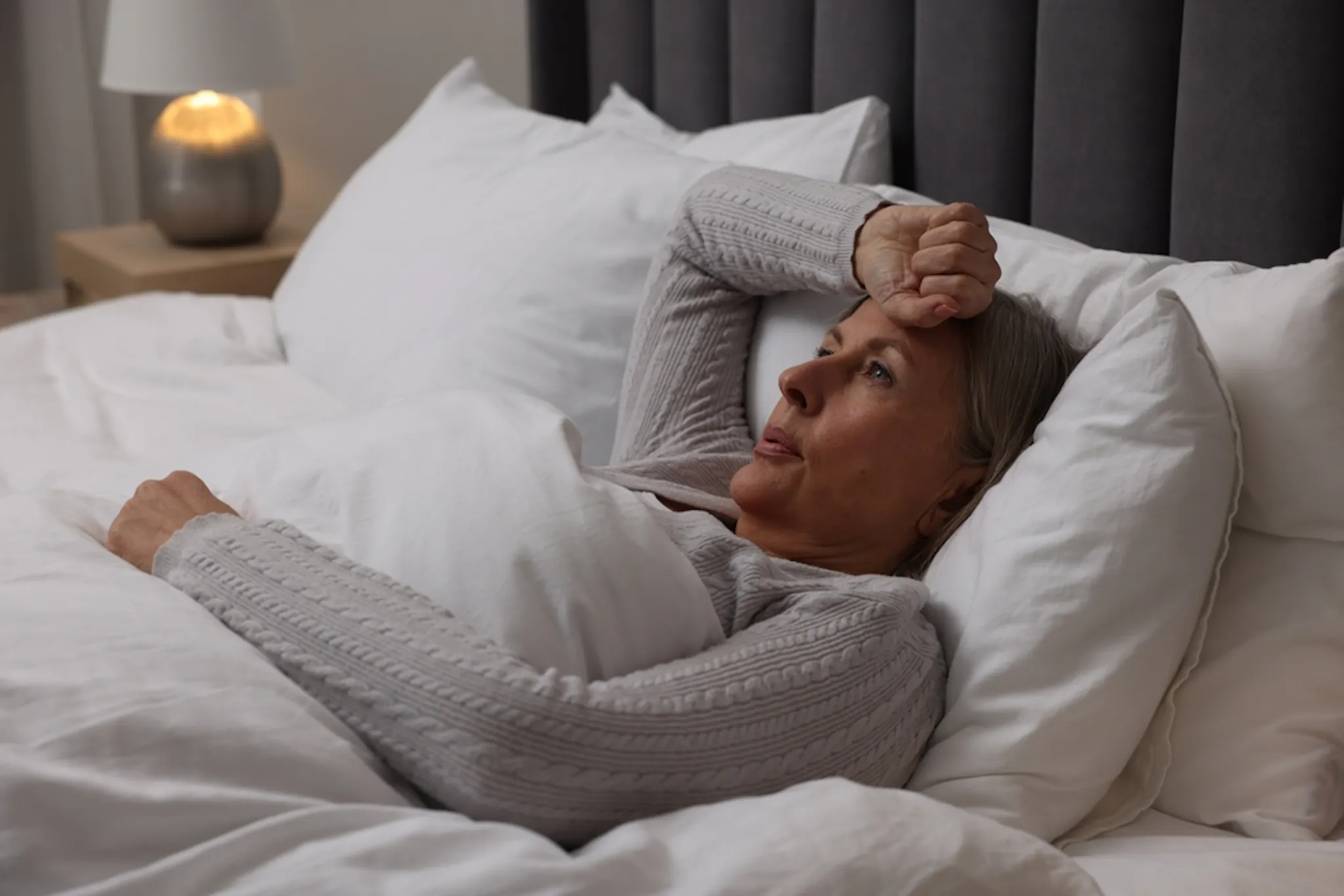
Hormones play a central role in temperature regulation.
Common contributors include:
- Menopause and perimenopause: Fluctuating estrogen alters hypothalamic sensitivity, leading to hot flashes and night sweats
- Low testosterone (in men): Associated with thermoregulatory instability
- Hyperthyroidism: Increased metabolic rate and heat production
- Nocturnal hypoglycemia: Blood sugar drops trigger adrenaline release and sweating
Hormonal causes are among the most common persistent drivers of night sweats.
3. Medical Conditions
Infections
Certain infections are classically associated with night sweats:
- Tuberculosis
- HIV
- Infective endocarditis
- Chronic bacterial or viral infections
These often present alongside fever, fatigue, and weight loss.
Chronic Diseases
- Diabetes mellitus (especially glucose variability)
- Gastroesophageal reflux disease (GERD)
- Obesity (impaired heat dissipation and metabolic dysregulation)
Neurological Disorders
- Autonomic dysfunction
- Post-stroke syndromes
Malignancies (Rare but Important)
- Lymphoma (a hallmark association)
- Leukemia
While widely feared, cancer is a relatively uncommon cause compared to lifestyle and hormonal factors. However, it must be considered when red-flag symptoms are present.
4. Medications
Many commonly prescribed drugs can trigger night sweats:
- Antidepressants (particularly SSRIs)
- Hormone therapies
- Antipyretics (e.g., NSAIDs)
- Opioids
The mechanism often involves altered neurotransmitter signaling or thermoregulation.
5. Stress, Anxiety, and Mental Health
Chronic stress activates the sympathetic nervous system and elevates cortisol levels. This can disrupt:
- Sleep architecture
- Thermoregulation
- Hormonal rhythms
Night sweats linked to anxiety often occur alongside restlessness, vivid dreams, or nighttime awakenings.
Night Sweats by Demographic
Women
- Menopause is the most common cause
- Pregnancy-related hormonal shifts
- Menstrual cycle fluctuations
Men
- Testosterone decline
- Sleep apnea (often underdiagnosed and linked to sweating)
Children
- Often benign (overheating)
- Occasionally linked to infections or immune conditions
Symptoms That Matter
Night sweats are clinically significant when they involve:
- Soaking nightclothes or bedding
- Repeated sleep disruption
- Associated symptoms such as: Fever, Unintentional weight loss, Persistent fatigue, Enlarged lymph nodes
When Should You Be Concerned?

You should seek medical evaluation if night sweats are:
- Persistent (lasting more than 2–3 weeks)
- Accompanied by fever or chills
- Associated with unexplained weight loss
- Linked to severe fatigue or weakness
- Occurring with swollen lymph nodes
These features may indicate systemic illness requiring further investigation.
How Night Sweats Are Diagnosed
Diagnosis begins with a thorough clinical history, including:
- Sleep environment and habits
- Diet and substance intake
- Medication review
- Hormonal and metabolic symptoms
Common investigations include:
- Blood tests (thyroid, glucose, infection markers)
- Hormonal panels
- Imaging (if malignancy or infection is suspected)
How to Stop Night Sweats: A Layered Approach
Effective management requires addressing root causes—not just symptoms.
1. Immediate Environmental Adjustments
- Maintain a cool bedroom (16–20°C)
- Use breathable fabrics (cotton, bamboo)
- Optimize airflow
2. Lifestyle Interventions
- Avoid alcohol and heavy meals before bed
- Limit caffeine intake (especially after midday)
- Practice stress-reduction techniques (breathing, journaling)
- Maintain consistent sleep timing
3. Nutrition and Metabolic Support (Where Most Advice Falls Short)
This is a critical—and often under-addressed—dimension.
Key strategies:
- Stabilize blood sugar:
Include protein and fiber at dinner to prevent nocturnal hypoglycemia - Magnesium intake:
Supports nervous system regulation and sleep quality - Hydration balance:
Avoid both dehydration and excessive fluid intake late at night - Reduce inflammatory foods:
Ultra-processed foods and late-night sugar spikes can disrupt metabolic stability - Support gut health:
Emerging evidence suggests gut microbiota influence thermoregulation and inflammation
4. Medical Treatment
Depending on the cause:
- Hormone replacement therapy (for menopause)
- Adjusting or changing medications
- Treating underlying infections or conditions
The Sleep–Metabolism–Temperature Connection
Night sweats are often a metabolic signal, not just a sleep issue.
Three systems intersect:
- Circadian rhythm:
Body temperature naturally drops at night; disruption can trigger sweating - Cortisol rhythm:
Elevated nighttime cortisol increases heat production - Insulin and glucose regulation:
Blood sugar instability can activate stress hormones
This triad explains why many individuals with night sweats also report:
- Poor sleep quality
- Fatigue
- Weight gain or metabolic issues
Night Sweats vs Similar Conditions
It is important to distinguish:
- Night sweats: Full-body, drenching perspiration
- Hot flashes: Sudden warmth, often localized (common in menopause)
- Fever-related sweating: Associated with infection cycles
- Hyperhidrosis: Excessive sweating unrelated to sleep
Prevention Framework
A practical three-layer model:
1. Environment
Optimize sleep conditions
2. Metabolism
Stabilize blood sugar and reduce inflammation
3. Hormones
Address underlying endocrine imbalances
Frequently Asked Questions
Why do I sweat at night but not during the day?
Nighttime exposes underlying thermoregulatory imbalances due to reduced external stimuli and circadian changes.
Are night sweats dangerous?
Occasional episodes are usually harmless. Persistent or severe cases require evaluation.
Can diet cause night sweats?
Yes. Alcohol, sugar spikes, and spicy foods can trigger thermogenic responses.
Do night sweats mean cancer?
Rarely. Most cases are linked to hormonal or lifestyle factors, but red-flag symptoms should be assessed.
How can I stop night sweats immediately?
Cool your sleep environment, avoid alcohol, and stabilize evening meals.
Meto’s Perspective: A Metabolic Signal, Not Just a Symptom
At Meto, we view night sweats through a broader clinical lens.
Rather than treating them as an isolated sleep disturbance, we interpret them as a signal of systemic imbalance—often involving metabolism, hormones, and lifestyle patterns.
Three key positions guide our approach:
1. Night Sweats Are Often Metabolic Before They Are Medical
Blood sugar instability, poor dietary timing, and chronic stress frequently precede more serious diagnoses.
2. The Body Is Not Random
Night sweats are rarely “just happening.” They reflect underlying physiological processes that can often be corrected through targeted lifestyle interventions.
3. Prevention Is More Powerful Than Suppression
Rather than masking symptoms, we focus on:
- Restoring metabolic flexibility
- Regulating circadian rhythms
- Supporting hormonal balance
This integrated approach not only reduces night sweats—but improves overall health outcomes.
Key Takeaways
- Night sweats are a symptom, not a disease
- Most cases are linked to lifestyle, hormonal, or metabolic factors
- Persistent symptoms require clinical evaluation
- Nutrition and metabolic health play a critical but overlooked role
- Addressing root causes leads to long-term resolution
Recommended For You

Hexarelin: The Cardioprotective Growth Hormone Peptide That Mainstream Providers Overlook
Hexarelin is the only GHRP with a dual cardioprotective mechanism via CD36 receptors. This deep dive covers the science, protocols, comparisons, and who benefits from this overlooked peptide.

The Exercise and Peptide Protocol: How to Get Maximum Results Combining Training With Therapy
The right exercise peptide therapy protocol doesn't just complement your treatment — it determines your results. This guide covers training type, peptide timing, week-by-week structure, and clinical considerations for GLP-1s, GH secretagogues, and tissue repair peptides.

Peptide Therapy and Cancer: Addressing the Risks, the Evidence, and What Patients Should Know Before Starting
Peptide therapy cancer risk evidence is nuanced — and most telehealth platforms skip the conversation entirely. This article breaks down what the research shows for GLP-1s, GH secretagogues, and BPC-157, who carries elevated risk, and the screening every patient should complete before starting a protocol.