6 Signs Your Growth Hormone May Be Low (and Why Peptides Might Help)
By Karyn O.
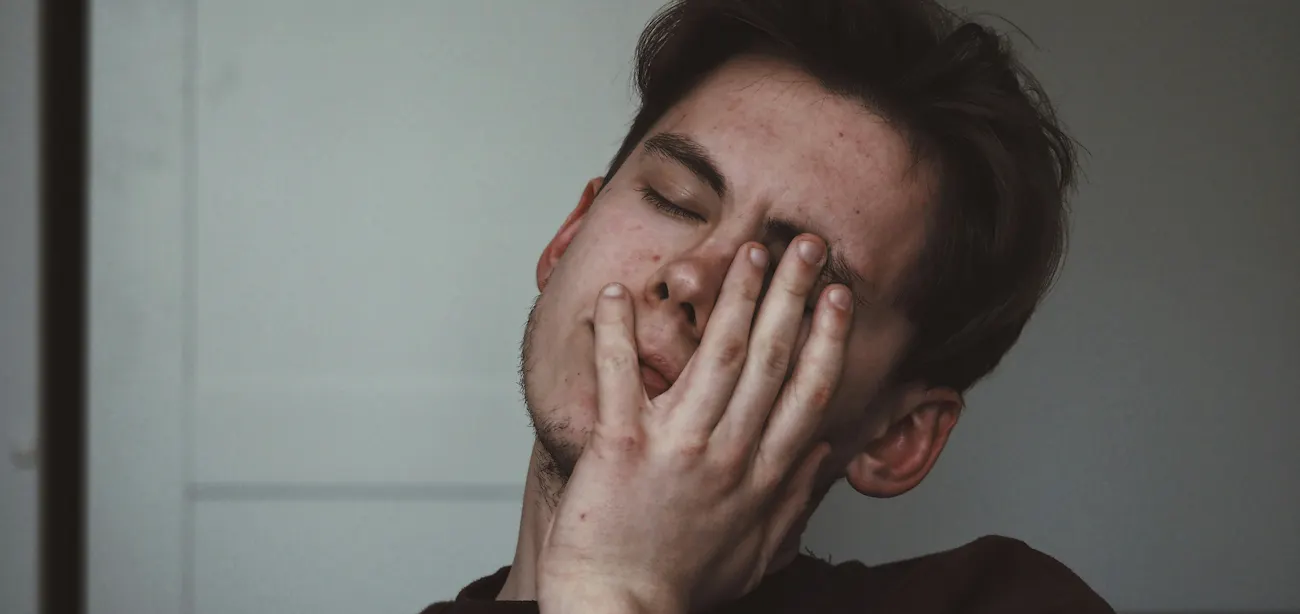
If you’re searching for low growth hormone symptoms adults experience, the short answer is this: adults with low growth hormone often notice slower recovery, increasing belly fat, lower energy, reduced muscle mass, poor sleep, and feeling “older” than their age suggests.
Growth hormone (GH) is not just about childhood height. In adults, it helps regulate muscle maintenance, fat metabolism, sleep quality, tissue repair, bone health, and energy production. Much of GH’s downstream effect happens through IGF-1 (Insulin-like Growth Factor-1) — a hormone primarily produced in the liver.
GH naturally declines with age. That is normal. But sometimes the decline becomes clinically significant — especially when symptoms are persistent, progressive, and paired with abnormal lab markers. In select cases, physician-guided peptide therapies like Sermorelin may help support your body’s natural GH production. (Meto health)
Here are six signs worth paying attention to.
1) You’re gaining abdominal fat despite eating well
One of the most common low growth hormone symptoms adults report is unexplained fat gain — especially around the midsection.
Growth hormone helps regulate:
- Fat breakdown (lipolysis)
- Lean muscle preservation
- Metabolic efficiency
- Insulin sensitivity
When GH levels drop significantly, the body often becomes less efficient at mobilizing stored fat. This may lead to:
- Increased belly fat
- Softer body composition
- Difficulty losing weight
- Slower metabolism
A landmark study published in The New England Journal of Medicine found that adults with reduced GH levels showed increased visceral fat and reduced lean body mass compared with healthy controls.
This is also why many people mistakenly assume they simply need stricter dieting when the underlying issue may be hormonal.
That said, abdominal weight gain can also stem from:
- Perimenopause or menopause
- Low testosterone
- Insulin resistance
- Poor sleep
- Chronic stress
- Hypothyroidism
This is why proper testing matters.
2) Your workouts feel harder — and recovery takes longer

If you used to recover quickly from exercise but now feel sore for days, low GH may be contributing.
Growth hormone plays a major role in:
- Muscle repair
- Tissue regeneration
- Protein synthesis
- Exercise recovery
When GH declines beyond normal aging patterns, people often notice:
- Longer post-workout soreness
- Reduced endurance
- Slower healing from injuries
- Difficulty building muscle
- Joint stiffness
This overlaps with common GH deficiency signs seen in adults.
You may think: “I’m working out consistently, but I’m not seeing the same results.”
That’s a common complaint in adults with low IGF-1 levels.
Research published in Endocrine Reviews shows adult growth hormone deficiency is associated with reduced exercise capacity and impaired physical performance.
3) You’re losing muscle while gaining fat
This combination is a major red flag.
Many adults assume aging automatically means losing muscle. While some decline is expected, rapid or disproportionate muscle loss deserves attention.
Growth hormone helps preserve:
- Muscle protein synthesis
- Strength
- Bone health
- Physical resilience
Low GH may contribute to:
This body composition shift is often tied to declining IGF-1 levels.
These low IGF-1 symptoms may be especially noticeable in adults over 40.
4) Your sleep quality has declined
Growth hormone is largely released during deep sleep.
Poor sleep can lower GH output. Low GH can also worsen sleep quality.
This creates a frustrating cycle.
You may notice:
- Difficulty staying asleep
- Feeling unrested after 8 hours
- Frequent nighttime waking
- Reduced deep sleep
- Morning fatigue
Studies published in Clinical Endocrinology show that GH secretion is closely tied to slow-wave sleep.
This matters because poor sleep affects:
- Metabolism
- Appetite regulation
- Testosterone
- Cortisol
- Recovery
- Brain performance
At Meto, sleep patterns are often evaluated alongside broader metabolic markers because hormonal issues rarely happen in isolation.
Related reading: What Are Peptides? A Beginner’s Guide to Metabolic & Hormonal Health (Meto health)
5) Your energy levels feel consistently low
This isn’t normal “busy adult” fatigue.
Low GH can contribute to:
- Daytime exhaustion
- Brain fog
- Reduced motivation
- Lower exercise tolerance
- Mental burnout
Many patients describe it as: “I’m functioning, but I don’t feel like myself.”
Research has shown adult GH deficiency can negatively impact overall vitality and quality of life.
Before blaming GH alone, clinicians should also evaluate:
- Thyroid function
- Iron levels
- Testosterone
- Estrogen
- Sleep apnea
- Insulin resistance
- Nutrient deficiencies
Good medicine rules out obvious causes first.
6) Your skin, recovery, and “aging pace” seem different
Growth hormone supports tissue repair and collagen maintenance.
Low GH may contribute to:
- Thinner skin
- Slower wound healing
- Reduced skin elasticity
- Hair thinning
- More visible signs of aging
While no hormone stops aging, growth hormone influences how efficiently your body repairs itself.
This is why conversations around growth hormone aging adults have become more common.
But this is where nuance matters:
Not everyone with wrinkles or fatigue needs peptide therapy.
And not everyone with low-normal labs needs intervention.
Symptoms must match clinical data.
How doctors diagnose low growth hormone
You cannot diagnose this based on symptoms alone.
Growth hormone fluctuates throughout the day, making random GH testing unreliable.
Clinicians often assess:
- IGF-1 levels
- Medical history
- Body composition changes
- Sleep quality
- Other hormone markers
- Sometimes stimulation testing
Many providers also evaluate:
- Fasting insulin
- HbA1c
- Thyroid hormones
- Testosterone
- Cortisol
- Inflammatory markers
Meto emphasizes lab-driven decision-making before recommending treatment.
Related reading: Research Peptides vs Pharmaceutical Grade (Meto health)
Why peptides might help
In properly selected patients, peptide therapies may help stimulate natural growth hormone production.
One commonly discussed option is Sermorelin, a growth hormone-releasing hormone (GHRH) analog. (Meto health)
It works by signaling your pituitary gland to release more of your own GH.
Potential benefits may include:
- Improved recovery
- Better sleep
- Lean muscle support
- Fat metabolism support
- Better energy
Other growth hormone secretagogues may also be discussed clinically, but not all have strong long-term evidence.
Related reading: 7 Types of Therapeutic Peptides (Meto health)
Who should avoid peptide therapy?
Peptides are not appropriate for everyone.
They may be unsuitable for individuals with:
- Active cancer
- Uncontrolled diabetes
- Untreated sleep apnea
- Certain pituitary disorders
- Pregnancy
- Unexplained elevated IGF-1 levels
This is why medical supervision matters.
Avoid buying “research peptides” online.
That market is poorly regulated.
Final thoughts
Many low growth hormone symptoms adults experience are often dismissed as “just aging.”
Sometimes that’s true.
Sometimes it’s incomplete.
If you’re dealing with stubborn fat gain, poor recovery, low energy, muscle loss, and declining sleep quality, it may be worth investigating your hormone health.
The right next step is not guessing.
It’s getting proper labs, reviewing symptoms, and making evidence-based decisions.
FAQs
What are the most common low growth hormone symptoms adults experience?
The most common symptoms include belly fat gain, fatigue, poor recovery, muscle loss, poor sleep, and reduced exercise performance. These symptoms can overlap with other hormone issues.
Can low IGF-1 cause fatigue?
Yes. Low IGF-1 symptoms may include fatigue, reduced recovery, muscle loss, and lower exercise tolerance. Lab testing helps confirm whether IGF-1 is contributing.
Is growth hormone decline normal with age?
Yes. Growth hormone naturally declines with age. The concern is when symptoms become severe or lab values suggest abnormal deficiency.
Are peptides safer than HGH injections?
They work differently. Peptides like sermorelin stimulate natural GH production, while HGH injections replace GH directly. Both require medical supervision.
Can poor sleep lower growth hormone?
Yes. Deep sleep is one of the biggest triggers for natural GH release. Chronic poor sleep can reduce GH output.
Should I test GH or IGF-1?
Most clinicians start with IGF-1 because GH fluctuates significantly throughout the day. Additional testing may be needed based on symptoms.
Recommended For You

Hexarelin: The Cardioprotective Growth Hormone Peptide That Mainstream Providers Overlook
Hexarelin is the only GHRP with a dual cardioprotective mechanism via CD36 receptors. This deep dive covers the science, protocols, comparisons, and who benefits from this overlooked peptide.
The Exercise and Peptide Protocol: How to Get Maximum Results Combining Training With Therapy
The right exercise peptide therapy protocol doesn't just complement your treatment — it determines your results. This guide covers training type, peptide timing, week-by-week structure, and clinical considerations for GLP-1s, GH secretagogues, and tissue repair peptides.

Peptide Therapy and Cancer: Addressing the Risks, the Evidence, and What Patients Should Know Before Starting
Peptide therapy cancer risk evidence is nuanced — and most telehealth platforms skip the conversation entirely. This article breaks down what the research shows for GLP-1s, GH secretagogues, and BPC-157, who carries elevated risk, and the screening every patient should complete before starting a protocol.